When does a spa water-level change call for professional testing?
Understanding the connection between water level and system health
A spa that loses water or gains water might seem like a minor nuisance, but the cause can be anything from a simple temperature-related expansion to a hidden leak in the plumbing. Water level that shifts noticeably over a short period often points to an issue that a homeowner can't fix with a hose or a drain valve. Knowing when that change needs professional testing saves time, money, and the risk of bigger damage.
Spas are closed-loop systems. The water circulates through the pump, filter, heater, and return lines, then back into the basin. Under normal operation, the water level stays fairly consistent. Evaporation accounts for some loss, especially in hot or windy weather, but a drop of more than a quarter-inch per day in moderate conditions suggests something else is going on. Likewise, a rising water level when the spa is not being filled manually could mean groundwater is seeping in through a crack or a compromised shell.
How to tell normal evaporation from a leak
Before calling anyone, a spa owner can do a simple bucket test to rule out evaporation. Fill a five-gallon bucket with spa water and set it on the top step of the spa, with the bucket rim above the water surface. Mark the water level inside the bucket and the water level in the spa. Run the spa's circulation cycle for 24 hours with the cover on. If the spa level drops more than the bucket level, there is likely a leak. If both drop the same amount, evaporation is the culprit.
That test is useful, but it only tells you whether a leak exists, not where it is. A leak can be in the shell, the plumbing, the pump seal, the filter housing, or the heater core. Each location behaves differently. A leak that only happens when the pump is running points to the suction side or the pressure side of the plumbing. A leak that happens only when the pump is off suggests a static leak in the shell or a fitting at the water line.
Signs that the problem is more than a small drip
Some water-level changes are obvious. The spa drops an inch overnight. The auto-fill valve runs constantly. The ground around the spa stays wet. But other signs are subtle and easy to miss. A sudden increase in the chemical demand, for example, can indicate that fresh water is entering the system, diluting the sanitizer. Air bubbles in the return jets often mean air is being pulled into the suction side through a leak. That same leak can also cause the pump to lose prime, which leads to overheating and potential motor damage.
Another subtle clue is the sound of water running when the pump is off. If you hear a trickle or a drip inside the equipment pad, it could be a leaking check valve or a cracked fitting. Water stains on the equipment pad, rust on the pump housing, or mineral deposits around pipe joints are all physical evidence that a leak is present and active.
When the water level rises instead of falls
A rising water level is less common but just as serious. If the spa gains water when no one is adding it, the most likely cause is a broken main drain line or a crack in the shell below the water line that lets groundwater in. This is especially common in areas with a high water table or after heavy rain. The incoming groundwater can carry dirt, bacteria, and chemicals that throw off the water balance and create a health hazard.
A rising water level can also happen if the automatic fill valve sticks open. That is a simpler fix, but it still needs attention because the constant addition of fresh water wastes chemicals and can overwhelm the overflow drain, causing surface water to pool around the spa.
The role of professional testing in residential pool leak detection
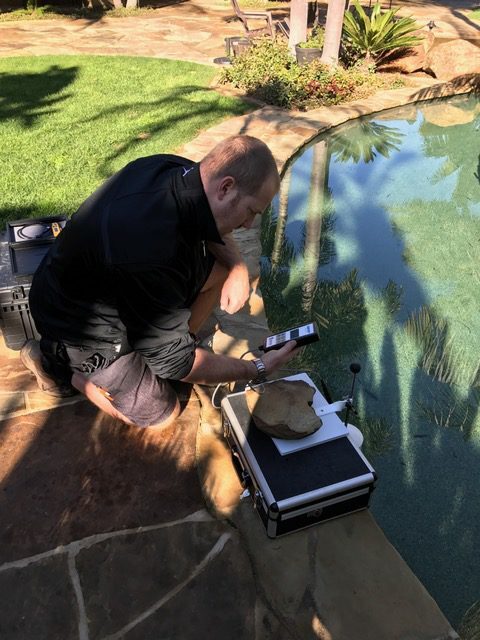
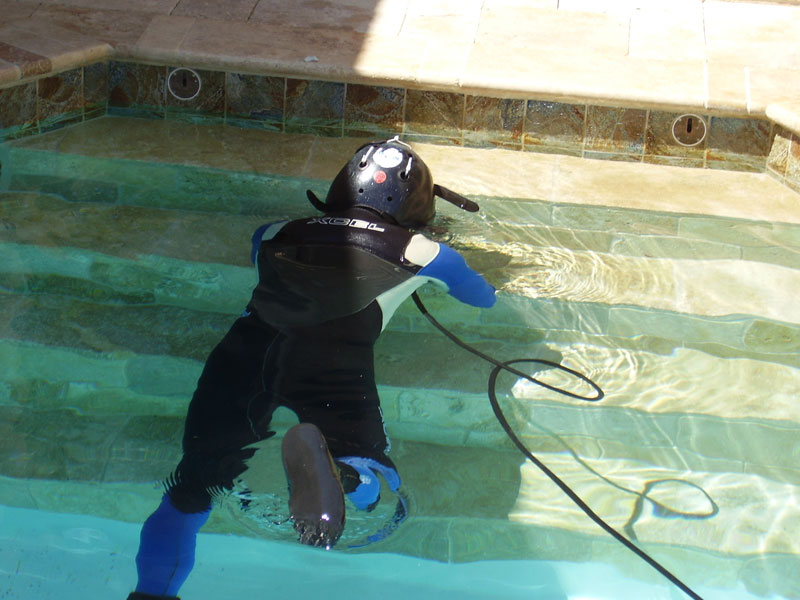
Once the bucket test confirms a leak, and the spa owner has ruled out obvious causes like a loose drain plug or a missing skimmer weir, the next step is professional testing. This is where the expertise of a leak detection specialist comes in. They use tools that most homeowners do not own: pressure testers, thermal imaging cameras, listening devices, and dye injectors. These tools can pinpoint a leak in the plumbing without digging up the entire yard.
Professional testing is especially important for spas that are integrated with a larger pool system. A leak in the spa plumbing can affect the pool's water level too, and the interaction between the two bodies of water can make diagnosis tricky. A specialist will isolate the spa from the pool by closing valves or plugging lines, then test each circuit individually. This approach, which falls under the broader category of residential pool leak detection, saves time and avoids unnecessary excavation.
Common leak locations that require professional equipment
Some spa leaks are easy to find. A crack in the shell at the water line is visible once the water drops below it. But many leaks are hidden. The most common hidden leaks are in the return lines, the suction lines, and the light conduit. A leak in the return line often shows up as a wet spot in the yard or a loss of water when the pump is running. A leak in the suction line can cause the pump to lose prime and run dry, which damages the pump seal and motor over time.
The light conduit is a frequent trouble spot. The niche that holds the pool light is connected to the spa shell by a hollow conduit that runs to the equipment pad. If that conduit cracks or the light fixture seal fails, water can escape into the ground behind the spa. Because the conduit is buried, the leak is invisible until the water loss becomes dramatic.
Another common hidden leak is at the skimmer. The skimmer throat, where the skimmer meets the shell, can develop a hairline crack that only leaks when the water level is at a certain height. That kind of intermittent leak is frustrating because the bucket test might not catch it on the first try. A professional can pressurize the skimmer throat and test it in isolation.
Why DIY fixes often make things worse
It is tempting to patch a visible crack with a pool repair kit or to tighten a fitting that looks loose. But without knowing the exact location and nature of the leak, a DIY fix can seal the symptom while the underlying problem gets worse. For example, tightening a leaking pump union might stop the drip temporarily, but if the leak was caused by a crack in the union from overtightening, the crack can spread. Similarly, pouring a liquid leak sealer into the spa can clog the filter and heater passages, leading to expensive repairs.
Professional testing avoids those pitfalls. A specialist will find the exact leak, measure its severity, and recommend a repair that addresses the root cause. That repair might involve replacing a section of pipe, resealing a fitting, or patching the shell with a structural epoxy. The key is that the repair is targeted, not a guess.
The long-term cost of ignoring a slow leak
A slow leak that loses a quarter-inch of water per day might not seem urgent. But over a month, that adds up to a significant volume. The constant addition of make-up water raises the chemical demand, which increases spending on sanitizer, pH adjuster, and shock. The water bill goes up. The pump runs longer to compensate. And the moisture in the ground around the spa can attract pests, erode the base, and cause the spa to settle unevenly.

Over time, a slow leak can also damage the spa's structure. If the leak is in the shell, the water that escapes can wash away the supporting soil, creating a void under the spa. That void can lead to cracking in the shell or the deck. In extreme cases, the spa can shift or sink, requiring a costly leveling job.
For all these reasons, a spa water-level change that persists beyond a few days should be taken seriously. The bucket test is a good first step, but if the results point to a leak, professional testing is the next logical move. It protects the investment in the spa and keeps the water safe and enjoyable.